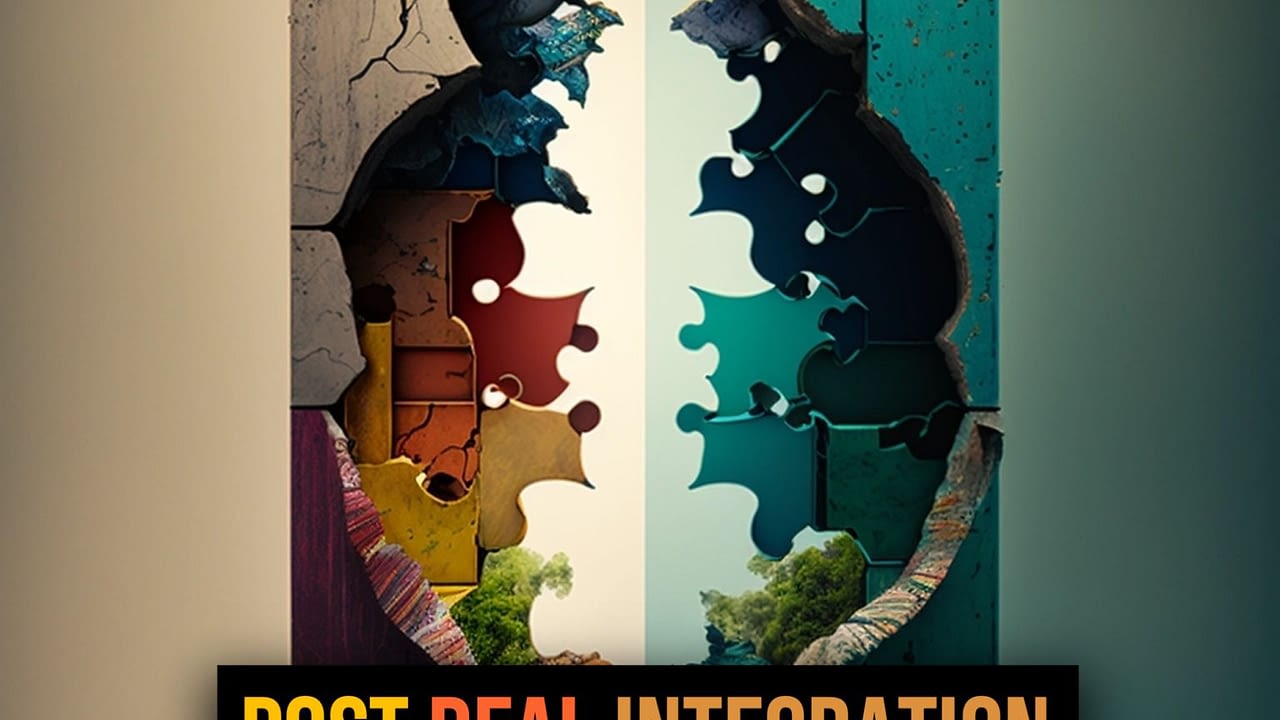
Post-deal integration decides whether an acquisition creates value. Plan it during due diligence, set direction with named leaders from both sides, keep momentum on synergies and customers, and design the new structure from day one. Culture and communication need as much attention as systems, because merging two corporate cultures is part of the work.
You’ve done the deal, but how do you ensure a successful integration?
In a previous post, I discussed strategies for achieving success in M&A. Now, I’d like to explore the intricacies of post-deal integration (PDI) and the challenges it presents in 3000 characters or less!
M&A transactions can be intense and complicated, necessitating flexibility and adaptability from both parties. A successful PDI hinges on careful planning, open communication, and unwavering commitment, but it also offers a chance to forge a path towards future success.
In 2022, the global M&A market reached a staggering £3.11 trillion in value. However, almost half of these deals failed, resulting in diminished shareholder value. A well-executed integration can make a world of difference in ensuring positive outcomes.
PDI involves harmonising logistical and technical operations as well as corporate culture. To achieve this, concentrate on three primary aspects: direction, value, and structure.
Establish direction: Formulate clear objectives, assemble integration teams, designate integration leaders from both sides of the merger, and build early momentum by familiarising stakeholders with the deal during its initial stages.
Maintain momentum: Start planning during the due diligence phase, focus on synergy realisation, engage customers, and prioritise IT solutions for seamless transition.
Structure the new organisation: Design the integration from day one, identify and manage key talent, and address cultural integration and organisational change.
To dive deeper, a successful PDI requires a comprehensive checklist that encompasses strategic focus, team integration, merger integration plan, clear communication plan, and preparation for post-merger integration. Additionally, this checklist should tackle operational and cultural aspects while encouraging inventive problem-solving. Transparent communication, cross-cultural initiatives, and cohesive leadership are crucial for smooth cultural integration. Keep the plan flexible and have cross-functional teams prepared to address unforeseen challenges while seeking external insights to promote innovation and adaptability throughout the merger.
PDI is a critical component of the M&A process, merging corporate cultures and generating synergies. Key players in this stage include top executives, stakeholders, integration team members, HR, and change management offices. A PMI checklist should encompass a definitive day-one strategy, visible leadership, prioritised communication, and future-oriented motivation.
So, while M&A integrations can be complex, a combination of meticulous planning, effective communication, cultural sensitivity, and agility will guide your corporate union towards a prosperous future.
Frequently asked questions
When should post-deal integration planning start?
During due diligence. Starting early lets the buyer set clear objectives, form integration teams and name integration leaders from both sides before completion. It also builds early momentum by familiarising stakeholders with the deal, and it gives time to plan for synergies, customer engagement and the IT changes the new organisation will need.
What should a post-merger integration checklist include?
It should cover strategic focus, team integration, a merger integration plan and a clear communication plan, alongside operational and cultural matters. The article also recommends a definitive day-one strategy, visible leadership, prioritised communication and a forward-looking reason for people to commit. Cross-functional teams should be ready for problems nobody predicted.
Why do so many acquisitions fail to create value?
The article notes that almost half of the deals done in 2022 failed and diminished shareholder value. Integration is where much of that value is won or lost, because it means combining operations, technology and corporate culture at the same time. Careful planning, open communication, cultural sensitivity and flexibility improve the odds.
Working with Ecaveo
Paul Forrest is a London-based fractional Chief AI Officer, non-executive director and board adviser. Preparing an integration plan before completion, with day-one priorities and leadership roles agreed, is board advisory work that protects the value a deal was priced on. See investment and fundraising advisory, read about Paul’s board and non-executive work, or book a conversation.
Read next. Transformation Is an Operating Model, Not a Technology Budget and The Traceable Thesis: artificial intelligence across the private equity investment lifecycle. More articles and research in Insights.